




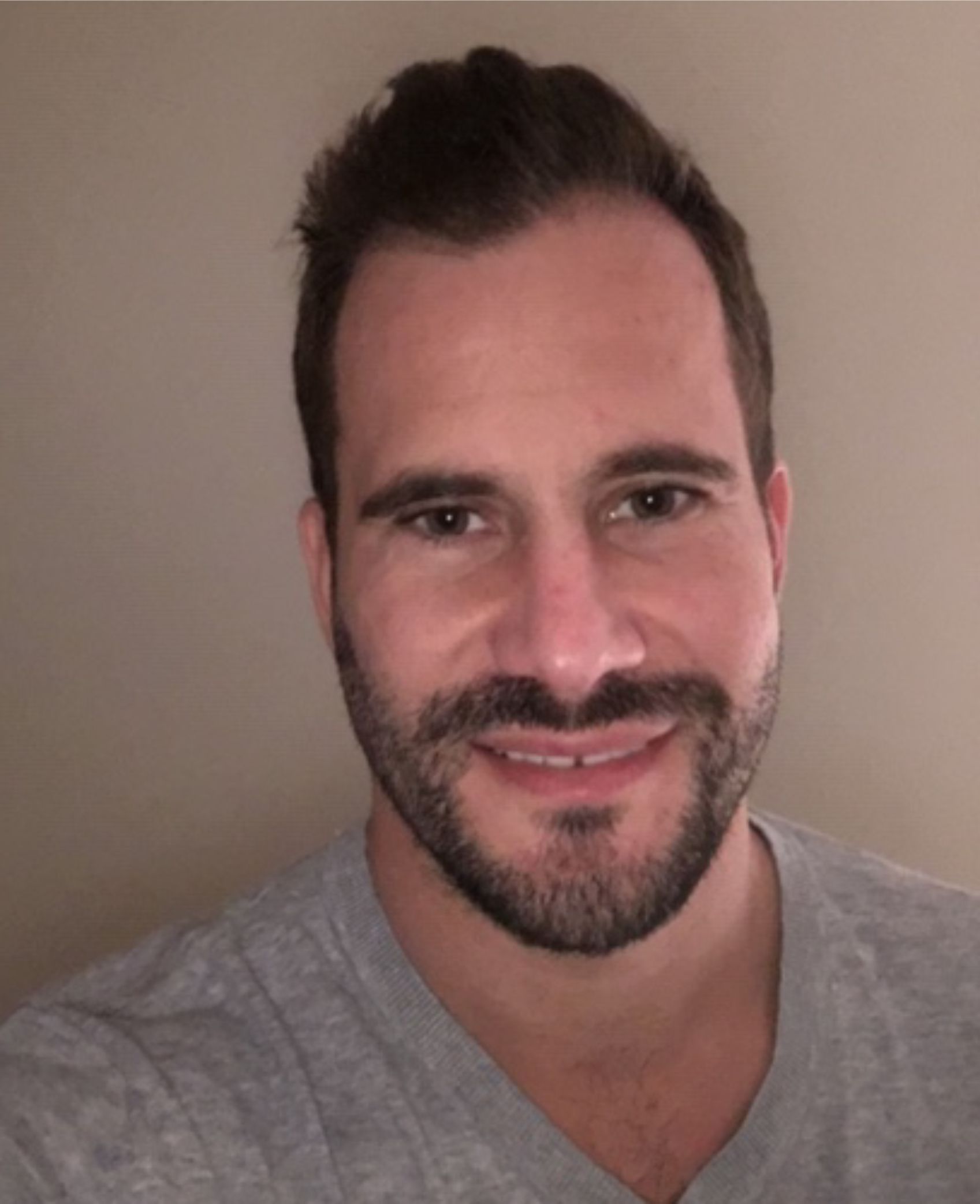
Dr Sze Wai Chan is a medical oncologist in private practice at Sandton Oncology, and West Rand Oncology, Johannesburg, South Africa. She is a member of ASCO, ESMO, IASLC and is an EXCO member of SASMO. Dr Chan is the vice president of the Melanoma Society South Africa (MSSA). Besides general oncology practice, she is particularly interested in lung and skin cancer and is involved in local and international clinical trials.
Dr. Johann de Wet is a dermatologist, Mohs Micrographic Surgeon, and founder of The Dermatology and Skin Cancer Institute in Stellenbosch, a leading referral centre for skin cancer care. He holds an MMed in Dermatology and a Master’s in Pathology (both Cum Laude) from Stellenbosch University, a Diploma in Dermatology from the University of Cardiff, and an MMed in Skin Cancer from the University of Queensland. He completed a fellowship in Mohs Micrographic Surgery through the American Society of Dermatological Surgery, is a Fellow of the Canadian College of Family Physicians, and an International Affiliate of the American College of Mohs Surgery. An Honorary Lecturer in the Division of Dermatology at Stellenbosch University, Dr. de Wet is an accomplished clinician, researcher, and speaker with numerous peer-reviewed publications and frequent invitations to present at international conferences. His contributions to dermatology and skin cancer research have earned him multiple awards, including the Peter Gordon-Smith Medal, Jansen Research Foundation Medal, Stellenbosch University Rector’s Medal for Academic Excellence, and the Discovery Foundation Academic Research Fellowship for his work on melanoma and Mohs surgery. He also serves on the Executive Committees of both the Melanoma Society of South Africa and the Mohs Surgery Society of South Africa, where he continues to advance dermatology and skin cancer treatment locally and internationally.
Dr Pieter du Plessis is a South African–trained medical doctor and dermatologist (University of Pretoria), receiving both his undergraduate and postgraduate degrees, as well as his Fellowship of the College of Dermatologists of South Africa, cum laude, and being awarded a number of distinctions during his academic studies, including Best Final-Year Medical Student, the Vice-Chancellor’s Medal for Best Final-Year Student in the Natural Sciences Faculties, Best Final-Year Registrar in the Faculty of Medicine, and the College of Dermatologists Medal for outstanding performance in the Fellowship examination. He received training in dermatological surgery and formalin-fixed Mohs surgery at the University of Newcastle, UK, and completed an ASDS-ITMP Mohs Fellowship in the United States. He is the founder of the SkinMatters Mohs and Reconstruction Unit in Pretoria, where he performs Mohs micrographic surgery and staged micrographic excisions for a variety of cutaneous malignancies. As Fellowship Director under the ASDS-ITMP International Mohs Fellowship Program, he has trained three South African dermatologists as Mohs Fellows and received the ASDS-ITMP Outstanding Contribution Award for his mentorship. The SkinMatters Unit operates branches in Pretoria and Cape Town, with a SANAS-accredited Mohs laboratory in Pretoria, four Mohs surgeons, seven reconstructive surgeons, and additional multidisciplinary specialists, having completed more than 24,000 Mohs cases. Dr du Plessis is a Past President of the SASDS (recipient of the Excellence in Leadership Award), Chair of the Mohs Surgery Society of South Africa, and serves on the Executive Committee of the Dermatologic Society of South Africa. He is an Overseas Fellow of the American Society for Dermatologic Surgery (ASDS), an International Fellow of the American Society for Mohs Surgery (ASMS), and an International Affiliate Member of the American College of Mohs Surgery (ACMS). He has held leadership roles in dermatology congresses and the College of Dermatologists of South Africa, published peer-reviewed papers (including recent work on Mohs surgery), and has been an invited lecturer and keynote speaker at major international meetings, including the 2022 ASDS Annual Meeting, World Congresses of Dermatology, and the first International Mohs Surgery Symposium at the 2025 ACMS Annual Meeting.
Radiation Oncologist
Wits Donald Gordon Medical Centre (WDGMC)
MBChB (UFS), DipPEC (SA), DipObs (SA), MPH (Liv), MBA (Wits), FCRadOnc (SA) MMed RadOnc (Wits)
Dr Mia Hugo works as a radiation oncologist primarily at WDGMC and has sessional rooms at Milpark and Sunninghill Netcare hospitals. She provides radiation oncology services at most of the Johannesburg radiation centres. She helps once a week as an honorary clinical oncologist at Chris Hani Baragwanath Academic Hospital at the Soweto Comprehensive Cancer Centre and holds an honorary academic post in at the University of the Witwatersrand. She has an interest in skin cancer and participates in a weekly dermatology oncology multidisciplinary meeting.
Dr Vanessa Kriek is a Dermatology Registrar at Stellenbosch University with a special interest in skin cancer and dermatologic surgery. She previously practiced as a family physician in British Columbia, where she established and ran a Primary Care Dermatology Clinic, gaining a unique perspective in the diagnosis and management of skin cancer in rural Canada. Her current research focuses on dermatofibrosarcoma protuberans (DFSP) and surgical approaches to optimise oncologic clearance while preserving tissue.
Dr Christopher Maske is a pathologist in Johannesburg and principal pathologist at QLAB Laboratories. He graduated in medicine at the University of Cape Town and completed PhD and post doctoral research at Oxford University in molecular cell biology, and subsequently specialised in histopathology. He headed the molecular pathology laboratory at Lancet Laboratories for a period of nine years and subsequently founded QLAB and is consulting pathologist at the Breast Care Centre of Excellence. His research and diagnostic interests focus on biomarkers in solid tumours.
Clinical Radiation Oncologist at Panorama Oncology Centre Cancercare for past 27 years.
Special interest in SRS/SBRT (stereotactic radiotherapy techniques); Skin, CNS, GIT; UG; Lung cancers. Enjoys family, friends, photography, cycling, outdoors.
Dr Noluthando Nematswerani is the Chief Clinical Officer, Discovery Health.
She is a medical doctor with more than 20 years of healthcare experience who is passionate about access to affordable high-quality healthcare for all and a firm believer in health as a basic human right.
She holds a Masters degree in Clinical Pharmacology and an MSc in Biostatistics and Clinical Epidemiology.
She is a member of the Discovery Health Executive Committee, the Risk Executive Committee, chair of the Discovery Group Clinical Executive Committee and a media spokesperson for Discovery on all clinical issues.
In her current role she oversees Health Technology Assessments (HTA), Surgical Risk Management, Clinical Policy Development, Medicines Unit including Drug Risk Management and the Clinical Research Unit. She is also responsible for the overall clinical strategy for Discovery Health and related businesses.
Mark Phipson MBBch (Wits) FCS(SA) Plast
Qualified as a Plastic and Reconstructive Surgeon in Johannesburg in 2003.
Worked at Charlotte Maxeke Johannesburg Hospital, Wits Donald Gordon Medical Centre and Mediclinic Sandton. Currently based at Mediclinic Sandton. Practice exclusively treatment of skin cancers.
Dr. Johann Schneider retired in 2023 as Professor and Head of the Division of Anatomical Pathology, as well as Director of the NCI-supported Sub-Saharan Africa Biospecimen Repository for the AIDS Malignancy Consortium and AIDS and Cancer Specimen Resource, at the Faculty of Medicine and Health Sciences, Stellenbosch University, South Africa. His research interests include HIV-related malignancies and skin cancers. He is the author or co-author of 86 peer-reviewed publications and has contributed to more than 130 presentations at national and international congresses. Johann Schneider is currently a part-time professor in the Division of Anatomical Pathology at SU and a pathologist at AMPATH Laboratories in Cape Town, South Africa.
Bianca is a dermatologist working in Cape Town. She works in private practice and as an honorary lecturer at the University of Stellenbosch. Her special interest is in acral melanoma, and her PhD was accepted by the University of Stellenbosch in January 2024. Her PhD examined acral melanoma in the South African setting, exploring its epidemiology, clinical, pathological and molecular features.
Maríza Tunmer is a Radiation Oncologist working in private practice at the WITS University Donald Gordon Medical Centre.
She is currently President of the South African Society of Radiation and Clinical Oncologists (SASCRO). She is an EXCO member for the South African Head and Neck Oncology Society (SAHNOS) and served and an EXCO member of the Breast Interest Group of South Africa (BIGOSA).
She is actively involved with the training of registrars at WITS and is an examiner for the College of Medicine South Africa – College of Radiation Oncologists, and she has served on their College Council.
Her passion is clinical patient management and she attends various Multi-Disciplinary Team meetings on a weekly basis with the aim of improving patient care.
Dr Willie Visser is Head of the Division of Dermatology at Stellenbosch University and Tygerberg Academic Hospital in Cape Town, South Africa. He holds Master’s degrees in both Family Medicine and Dermatology, both awarded cum laude. His clinical and research interests focus on skin cancer, melanoma in skin of colour, inflammatory skin diseases, and HIV-related skin conditions.
Dr. Visser has authored more than 55 peer-reviewed publications, contributed to national guidelines and dermatology textbooks, and is frequently invited to speak at local and major international congresses, including the World Melanoma Congress, World Congress of Dermatology, and Emirates Dermatology Congress. He serves on the Executive Committees of the Dermatological Society of South Africa, African Skin of Colour Society and Hidradenitis Suppurativa Society of South Africa and is active in global dermatology networks such as the EADV and AAD.
Passionate about medical education, he leads undergraduate and postgraduate dermatology training, supervises MMed and PhD students, and serves as examiner and convenor for the College of Dermatology of South Africa. Alongside his academic work, he engages in outreach initiatives for skin cancer awareness, albinism, and vitiligo, and contributes to advisory roles for global pharmaceutical companies.
Robert Weiss graduated at the University of the Witwatersrand in 1980. He studied dermatology at the University of the Witwatersrand and completed his Fellow of the College of Dermatology exams in 1986.
He has been involved with the Dermatology Society of South Africa for decades serving as EXCO member, secretary and president
Dr Weiss convened the first national Dermoscopy workshop together with Dr Gary Levy in 1980 and have held refresher courses at a number of conferences since then. He co-presented the first South African dermoscopy symposium with Dr Geppe Arganziano and Dr Iris Zaludek.
During the Covid epidemic ,Dr’s Weiss and Levy hosted the worlds first on-line Dermoscopy course featuring Dr’s Arganziano, Zaludek, Lallas ,Begu Nisa Akay and most importantly , our invited expert for this meeting Dr Pawel Pietkiewicz
This meeting attracted an international audience of over 2000 dermatologists
Dr Weiss is currently in private practice in Johannesburg.
Dr Dagmar Whitaker was born in Frankfurt/Germany where she did her Medical Pregrad studies. She specialized in Dermatology at Tygerberg Hospital, University of Stellenbosch.
She has been in Private Practice since 1994 but has always maintained her academic national and international connections and skincancer management is her passion.
She has been the president of the Melanoma Society South Africa for over 20 years as well as the Vice President of the World melanoma Society for over 10 years. Those Societies aim to further education for medical and lay people (public education awareness campaigns) as well as keeping up with world wide research and access to new cancer drugs.
The melanoma Society is a truly interdisciplinary Society with colleagues from dermatology/oncology/plastic surgery and pathology forming the Exco committee. This Skin Cancer update 2024 is the 3rd such conference in Cape Town which Dr Whitaker has organized and led as the congress president in collaboration with the world melanoma society.
Dr André Vos is a qualified Clinical and Radiation Oncologist and forms part of the multidisciplinary oncology team at the Panorama Centre for Surgical Oncology (PACSO) in Cape Town. He obtained his MBChB degree from the University of Stellenbosch, followed by completion of his internship and community service at Potchefstroom Hospital.
After his initial training, Dr Vos relocated to Canada where he practised for almost seven years, gaining extensive experience as a Family Physician and working in Critical Care Units. During this time, he obtained Certification in Family Medicine from the College of Family Physicians of Canada, further strengthening his holistic and patient-centred approach to care.
Driven by a desire to specialise in oncology, Dr Vos returned to South Africa to pursue specialist training in Radiation Oncology at the University of Cape Town. He successfully completed his Fellowship in Radiation Oncology as well as a Master of Medicine degree. To further refine his expertise, he undertook a Clinical Fellowship at Princess Margaret Hospital, University of Toronto, with focused subspecialty training in urological malignancies and lymphoma. He is also a Fellow of the Royal College of Physicians of Canada.
Dr Vos has a strong commitment to integrated, multidisciplinary oncology care and believes that optimal cancer outcomes are achieved when all aspects of a patient’s journey are addressed cohesively. He values continuity of care and close collaboration between surgical, medical, and radiation oncology disciplines from the outset of diagnosis through survivorship.
His special clinical interests include Breast Oncology, Genitourinary Oncology, and the application of radiotherapy in the management of Lymphoma. He welcomes referrals across the full spectrum of oncological conditions and is dedicated to delivering evidence-based, compassionate, and individualised cancer care.
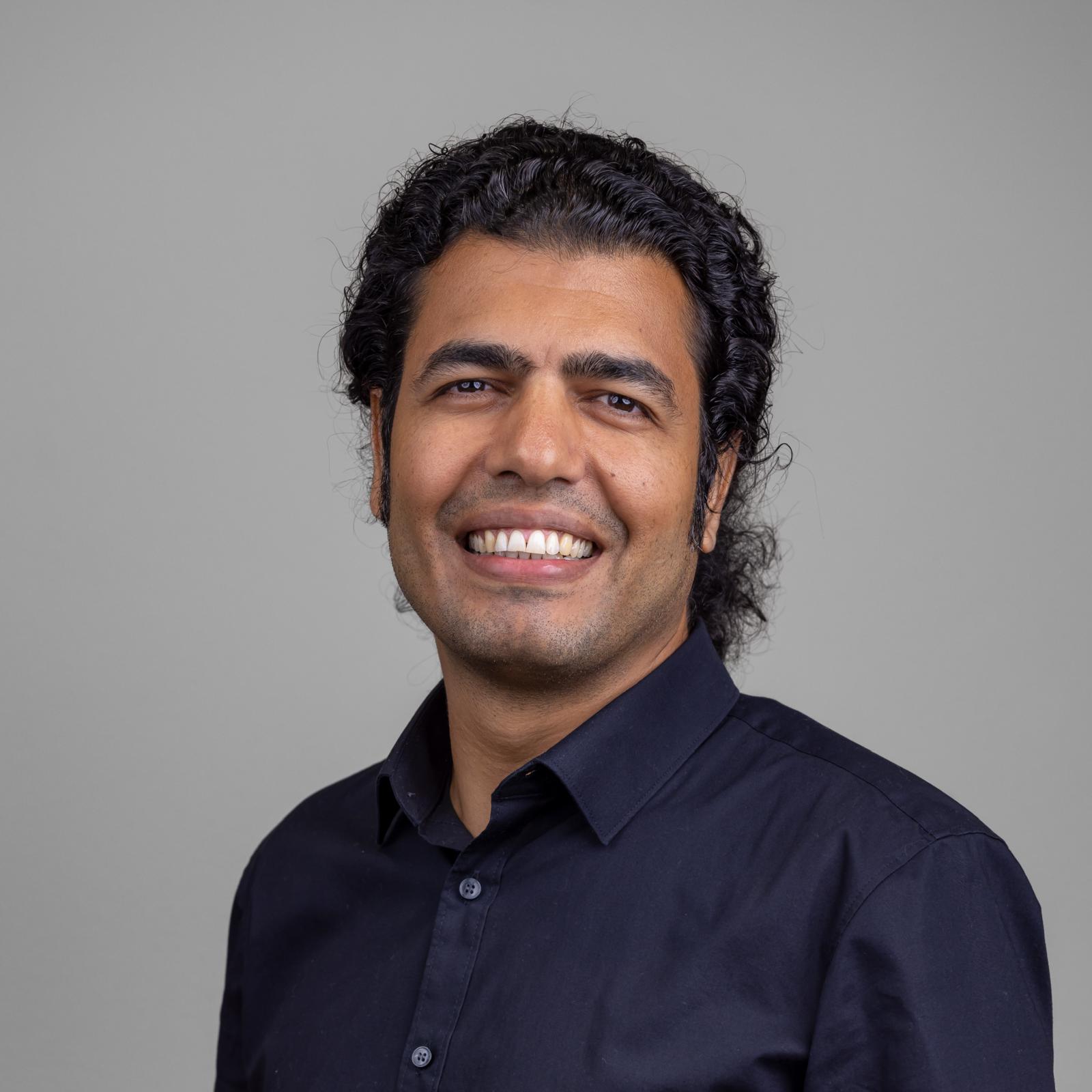



Mohadma Daryaie is Director of Business Development at FotoFinder Systems, Responsible for FotoFinder Academy and educational programs.
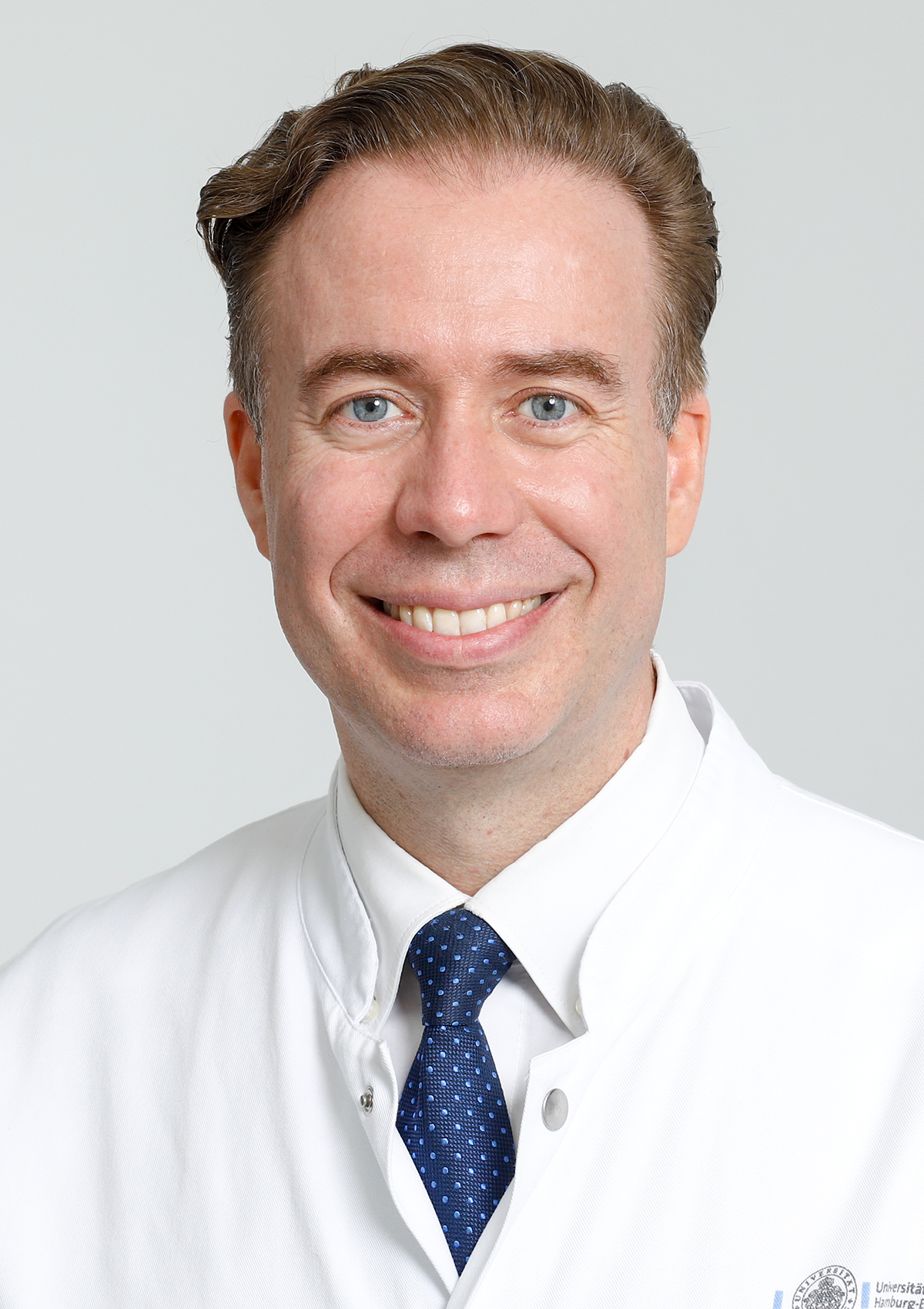
Christoffer Gebhardt is Professor of Dermato-Oncology and Experimental Dermatology at the University Medical Center Hamburg-Eppendorf (UKE), Hamburg, Germany. He serves as Vice Chair of the Department of Dermatology and Venereology and leads both the Skin Cancer Center and the Fleur Hiege Center for Skin Cancer Research. In addition, he is a board member of the University Comprehensive Cancer Center Hamburg (UCC Hamburg).
His clinical and translational research focuses on melanoma and other skin cancers, with particular emphasis on modern immunotherapy and advanced molecular diagnostics, including liquid biopsy approaches. His scientific interests span the elucidation of mechanisms of immune resistance and metastasis, as well as the development of biomarker-driven, precision oncology clinical trials.
Professor Gebhardt holds board positions within several leading professional societies, including the European Association of Dermato-Oncology (EADO), the Melanoma World Society (MWS), and the Working Group for Dermatological Oncology (ADO) of the German Cancer Society (DKG). He also serves on the boards of the Hiege Foundation – The German Skin Cancer Foundation and the Roggenbuck Foundation.
He studied medicine at University of Heidelberg (Germany), with clinical training at the University of Aberdeen (UK) and The University of Texas MD Anderson Cancer Center (USA). He completed his dermatology residency at the University Hospital Heidelberg, where he also established an independent research group. He obtained his MD/PhD and completed postdoctoral research at the German Cancer Research Center (DKFZ), where he subsequently became an independent research group leader alongside his clinical appointments.
BioProfessor Claus Garbe obtained his MD in 1983 at the Free University of Berlin, Germany, he was board certified in Dermatology and Venereology in 1987 and was awarded his habilitation (PhD equivalent) in 1990, focusing on the biology of melanoma cells. Professor Garbe remained at the Free University of Berlin until 1995 when he appointed University Professor of Dermatology and Head of the Division of Dermatooncology at Eberhard Karls University, Tuebingen. Professor Garbe’s principal research interests include the biology and genetics of melanoma and keratinocyte skin cancers, therapeutic trials in skin diseases, epidemiologic studies, and dermato-histopathology. Professor Garbe has been awarded as the first dermatologist with the German Cancer Award in 1995. He has been a principal investigator in numerous multicenter clinical trials since 1989. He has authored more than 800 articles and 17 text books (H index 113 points). He coordinates the development of guidelines on behalf of the European Dermatology Forum and the European Association of Dermatologic Oncology. Currently, Professor Garbe is the President of the European Association of Dermatologic Oncology (EADO).graphy to come
Jessica C. Hassel is a dermato-oncologist working at the University Hospital in Heidelberg, Germany. She is the head of the Section of Dermato-Oncology of the Department of Dermatology at the National Center for Tumor Diseases (NCT) and part of the CCC-director board. Being a dermatologist from training her main interest always was oncology and especially melanoma. She received the board certification in medicamentous tumor therapy (2009), palliative medicine (2015) and dermatopathology (2011). During her medicine training at the University of Würzburg, Germany (1995-2002) she was a scholar of the German Academic Scholarship Foundation, received 2 prizes for her thesis about signal transduction in a fish melanoma and was a visiting student at university hospitals in the USA, Scotland and Australia. After a postdoctoral position at the University Hospital in Zürich, Switzerland (2002-2003) she was an intern in Internal Medicine and then received her dermatology training at Ludwigshafen and Mannheim, Germany. Before her position at the NCT Heidelberg she was the acting head of the Clinical Cooperation Unit for Dermatooncology of the German Cancer Research Center Heidelberg (2009-2010).
Scientifically she runs an internationally known trial center with pharma-sponsored worldwide multicenter trials as well as own investigator-initiated trials and focusses on clinical translational investigations on biomarkers for treatment response and resistance as well as side effects. Recent work was published in high-ranked journals including NEJM, Nature, Lancet, JCO and Clinical Cancer Research. She received the German Skin Cancer Award in 2018 and the Roemer Prize 2024. She is an associated professor of the Medical Faculty of Heidelberg since 2019. Currently funded projects investigate the role of immune checkpoints (DFG), the use of artificial intelligence in treatment benefit prediction (NCT) and IITs on patient decision making (GBA/DLR, MSD health award for patient empowerment 2023), sports (NCT) and abscopal effects (DKTK). She is a member of ASCO, ESMO, EADO and DeCOG, a member of the ESMO faculty and the DeCOG board.
In her private life she is a mother of a 15-years old daughter. Together they love to travel around the world. If time allows she likes to run, dance ballet, and play the viola or the piano.
Axel Hauschild is Head of the Skin Cancer Trial Center at the University Hospital Schleswig-Holstein (UKSH), Campus Kiel, Germany. His main clinical interests are the diagnosis and treatment of melanoma and non-melanoma skin cancer. He is the past president of the German Dermatologic Cooperative Oncology Group
He was the congress president of the 8th and World Congress on Melanoma 2013, 2021 and 2025. He is the designated president of the 12th World Congress on Melanoma in 2029 chairman of several national and international skin cancer conferences including EADO annual meetings.
He has been invited as a speaker to more than 700 conferences across the world. Professor Hauschild has been the principal investigator of more than 120 Phase 1–3 clinical trials on melanoma, cutaneous lymphomas and epithelial skin cancers.
His scientific career was honored with the German Skin Cancer Award and the German Cancer Award. He has published over 450 articles in peer-reviewed journals, such as The New England Journal of Medicine, The Lancet, The Lancet Oncology, Science, Nature and Journal of Clinical Oncology.
Prof. Hauschild was acknowledged among the “Highly Cited Researchers” on the global level every year since 2020.
Prof. Lidija Kandolf, MD, PhD, is a Full Professor of Dermatology and Deputy Head of the Department of Dermatology at the Faculty of Medicine, Military Medical Academy, University of Defence in Belgrade, Serbia. A leading expert in dermato-oncology, she has significantly contributed to melanoma research and education across Europe. Prof. Kandolf serves on the Boards of the European Association for Dermato-Oncology (EADO), the Melanoma World Society (MWS), and the European Dermatology Forum (EDF), and is an active member of the EORTC Melanoma Group, EADV, ESMO, and ASCO. Her research focuses on genetic and molecular mechanisms of skin cancer, particularly melanoma, and access to innovative treatments across Europe. She has co-authored numerous international publications, textbooks, and clinical guidelines, coordinated European projects on melanoma care disparities, and played a pivotal role in establishing the Central and South-East European Melanoma Group (CSEEMEG), promoting regional collaboration in dermato-oncology.
I am a graduate of the University of Witwatersrand Medical School.
In 1988, I joined the Dermatology Department at the University of the Witwatersrand under the great mentorship of Professor Joy Schultz.
I started dermatology private practice in Morningside in 1992, and worked there in a solo practice until emigrating nearly 30 years later.
I was a member of the South African Melanoma Advisory Board for 25 years.
I attended the first dermoscopy presentation in South Africa in 1999 -given by Stoltz and Pehamberger, and thereafter never stopped learning dermoscopy.
I have attended many dermoscopy courses and workshops and most World Congresses of Dermoscopy, since the first one in Naples in 2004.
I have spoken at many dermoscopy congresses and presented countless teaching sessions and dermoscopy courses, most in collaboration with Robert Weiss.
I was a speaker at the World Congress of Melanoma in 2018.
I emigrated to Israel in 2021, where I continue to work and teach.
Professor Fatimata Ly is a Senegalese dermatologist, Head of Dermatology at the Institute of Social Hygiene in Dakar and Professor (Searcher and Teacher) at the University Cheikh Anta Diop. She specializes in skin conditions affecting black skin and STI, including complications from skin bleaching, psoriasis, systemic diseases and infectious diseases.
She is the current President of the Senegalese Society of Dermatology-Venereology, Chair of the Senegalese Society of Immunology, and national coordinator for the International Network of Psoriasis. A co-founder of AIIDA and the West African Group of Psoriasis, she has authored or co-authored over 200 scientific publications, 200 scientific communications and is a frequent speaker at international conferences.
Daudi Mavura is an Associate Professor of Dermatovenereology at Kilimanjaro Christian Medical University College and the current Principal of the Regional Dermatology Training Centre (RDTC) at Kilimanjaro Christian Medical Centre (KCMC) in Moshi, Tanzania. KCMC is a tertiary training institute affiliated with both Tumaini University and Muhimbili University of Health and Allied Sciences.
Prof. Mavura also serves as a special advisor to the International Foundation for Dermatology (IFD) Committee. He holds a medical degree from the University of Carlos J. Finlay in Cuba and a Master of Medicine in Dermatovenereology from Tumaini University. He further subspecialized in Dermatosurgery at UKT in Germany and the Universidad de Alcalá de Henares in Spain.
Prof. Mavura has extensive professional experience in the management of sexually transmitted infections (STIs). He coordinates and participates in various STI outreach programs and has attended international training courses on STI case management in Thailand.
He has published and co-authored several academic papers, primarily focusing on tropical dermatology. Prof. Mavura is also a faculty member of the Dermatologic and Aesthetic Surgery International League (DASIL).
Professor Grant McArthur is a Fellow of the Royal Australasian College of Physicians and holds a PhD in Medical Biology. He is Chief Executive Officer of the VCCC Alliance and the inaugural Lorenzo Galli Chair of Melanoma and Skin Cancers at the University of Melbourne. He also a Level 3 Investigator Grant with the NHMRC and, in 2024, became Associate Editor for the Journal of Clinical Oncology. He is Head of the Molecular Oncology Laboratory and a Senior Consultant Medical Oncologist at the Peter MacCallum Cancer Centre.
Professor McArthur has published over 350 papers and co-chaired numerous national and international clinical trials in targeted therapies and immunotherapies. His research spans melanoma, targeted therapeutics, novel cancer drug targets, oncogene targeting, immunological effects of targeted therapies, personalised medicine, cancer metabolism, and protein synthesis.
His awards include the inaugural Translational Research Award from the Foundation Nelia et Amadeo Barletta, the Sir Edward Dunlop Clinical Cancer Research Fellowship, the inaugural Martin Lackmann Medal, the MOGA Novartis Oncology Cancer Achievement Award, the Tom Reeve Award from COSA, and a Monash University Distinguished Alumni Award. In 2023, he was appointed an Officer of the Order of Australia for distinguished service to cancer research and leadership.
Merrick I. Ross, M.D., F.A.C.S., is an Associate Professor of Surgery and Chief of the Melanoma Section in addition to proudly hold the honor of being the Charles M. McBride Distinguished Professor in the Department of Surgical Oncology, in the Division of Surgery at the University of Texas M. D. Anderson Cancer Center in Houston, Texas.
Dr. Ross received his medical degree from the University of Illinois, School of Medicine in Chicago, Illinois, and completed a general surgical residency at the University of Illinois Affiliated Hospitals. Additional postdoctoral training includes a Research Fellowship at the Scripps Clinic and Research Institute, in La Jolla, California, as well as a Surgical Oncology Fellowship at the University of Texas M. D. Anderson Cancer Center in Houston, Texas.
Dr. Ross is the principal investigator for numerous ongoing clinical trials. These trials include studies on interferon alfa-2b and vaccines in resected high-risk primary and regionally metastatic melanoma, intraoperative lymphatic mapping to identify the sentinel lymph node in patients with melanoma and breast cancer, hyperthermic regional limb perfusion with melphalan in patients with satellite and/or intransit metastatic melanoma of the extremity.
A fellow of the American College of Surgeons, Dr. Ross is a member of the American College of Surgeons Oncology Group for Clinical Trials for melanoma and breast cancer, a member of the Research Steering Committee of the United States Intergroup Melanoma Trials Organization and a member of the Melanoma Research Program Section of the World Health Organization. He is also an active member of various local, national and international medical organizations.
A frequent contributor to the medical press, Dr. Ross has published an impressive number of articles, book chapters, and abstracts. His most recent publication contributions include chapters in Cutaneous Melanoma and articles on sentinel lymph node biopsy in melanoma published in the Journal of Clinical Oncology, Surgery, Annals of Surgery and the Annals of Surgical Oncology.
Professor David Whiteman is a medical epidemiologist with a special interest in the causes, control and prevention of melanoma and skin cancer. He received his medical degree from the University of Queensland in 1991, and his PhD in cancer epidemiology in 1997. He is Principal Investigator of QSKIN, a large prospective cohort study which has gathered clinical, phenotypic and genetic data on more than 43,000 people to unravel the causes of skin cancer. He has published more than 500 peer reviewed articles yielding more than 40,000 citations and an H index of 106. In addition to his research activities, Whiteman is a Fellow of the Australian Academy of Health and Medical Sciences, a Fellow of the Australasian Faculty of Public Health Medicine, and Honorary Fellow of the Skin Cancer College of Australasia. In 2019, he was made a Member of the Order of Australia for his services to cancer epidemiology